
Wrangell-St. Elias National Park & Preserve
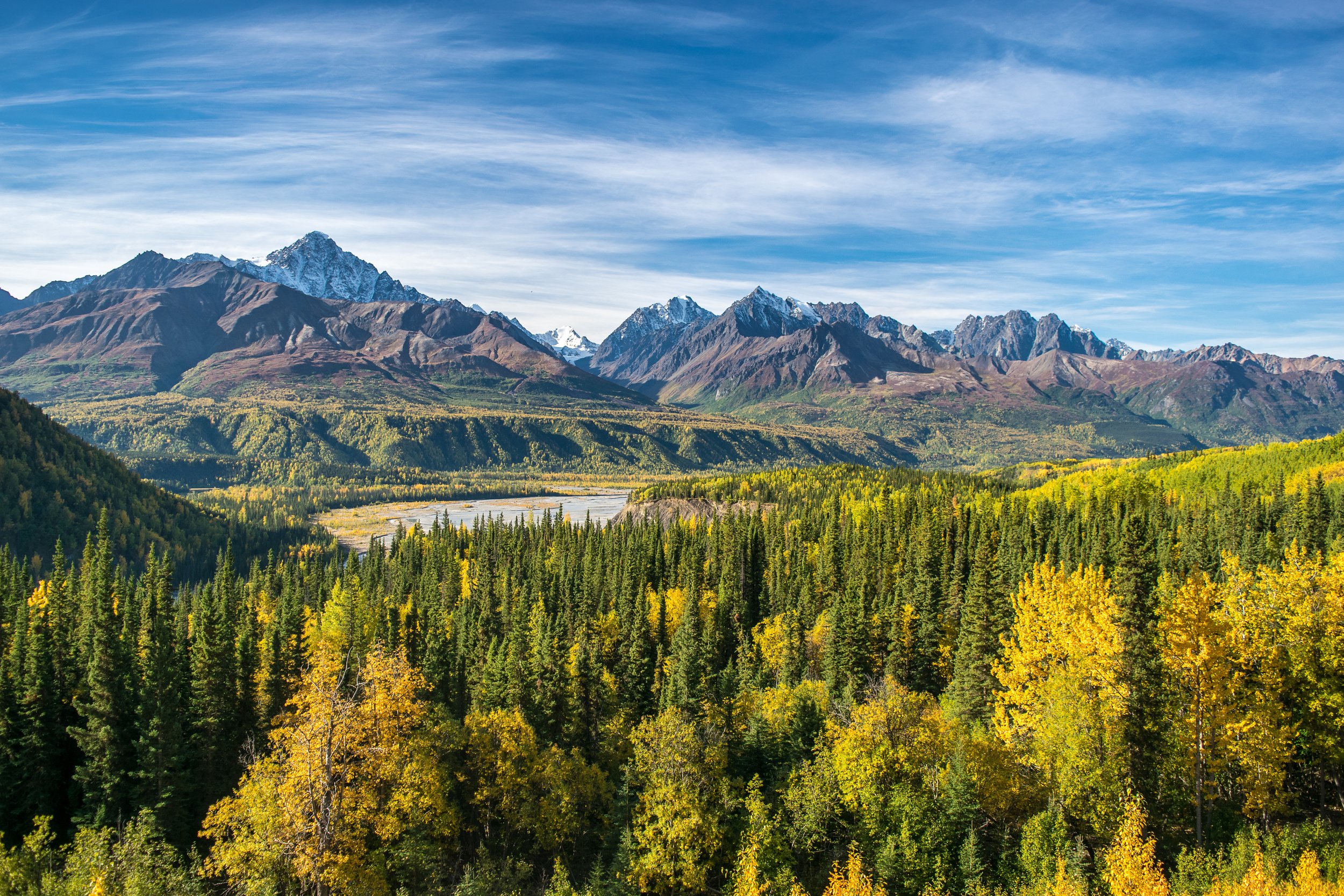
Wrangell–St. Elias National Park & Preserve is the largest national park in the United States, and its sheer size is matched by how remote it feels. Massive mountains, active glaciers, and wide-open wilderness define a landscape that’s still largely untouched. Many areas of the park are only accessible by bush plane, which makes getting there part of the experience and adds to the sense of true adventure. With careful planning and trusted local connections, we help you experience Wrangell–St. Elias in a way that feels intentional and accessible—perfect for travelers looking to go well beyond the usual routes.
Park History
Wrangell–St. Elias National Park & Preserve has a history shaped by ice, mountains, and the people who have lived and traveled through this vast region for thousands of years. Long before it became a national park in 1980, Alaska Native peoples relied on the area’s rivers, glaciers, and mountain passes for travel, hunting, and trade. The land here has always been remote, and survival depended on deep knowledge of the terrain and seasons.
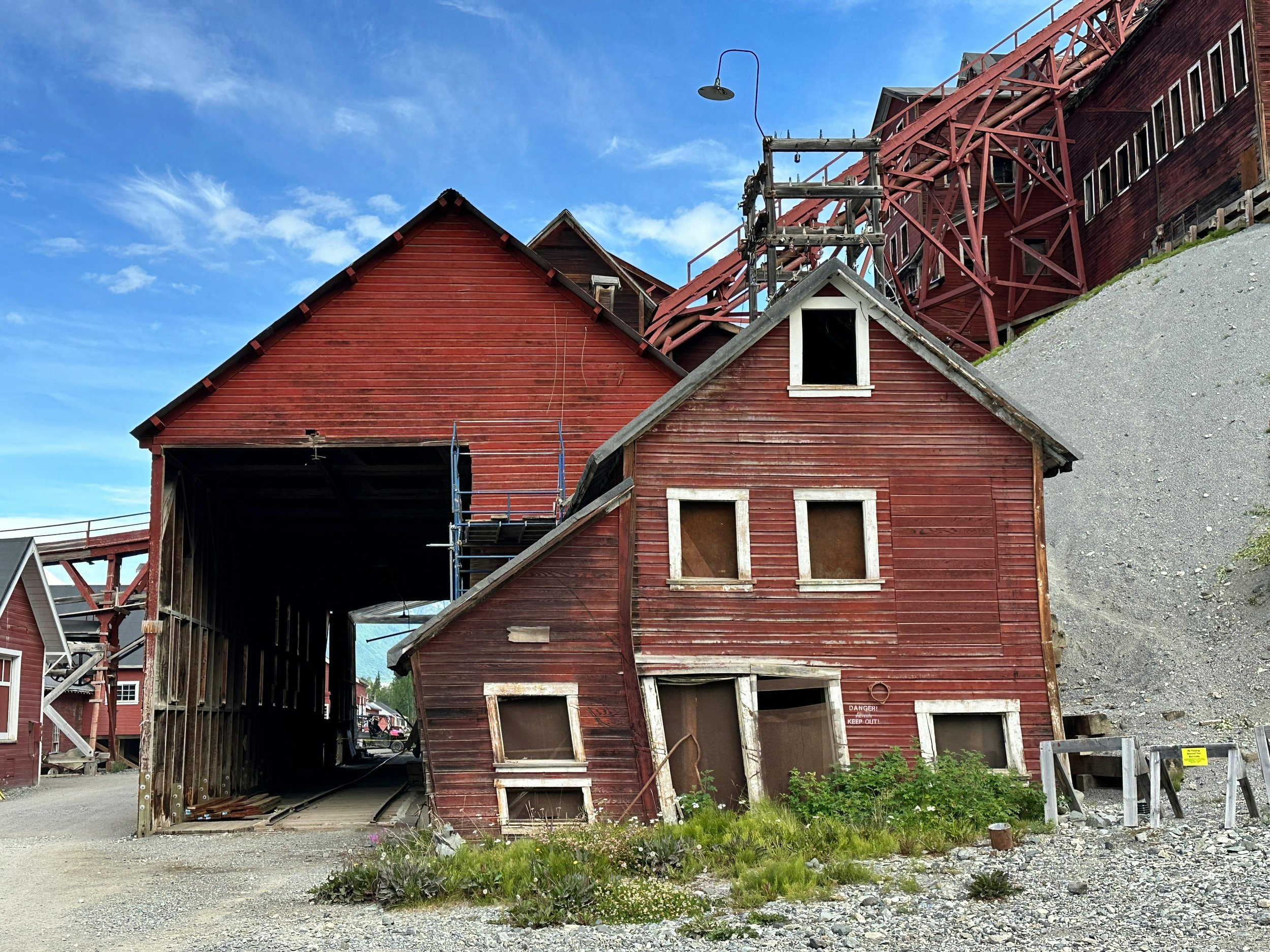
In the late 1800s and early 1900s, the discovery of copper brought miners and prospectors into the region, leading to the rise of towns like Kennecott. Remnants of these mining operations still stand today, offering a glimpse into Alaska’s early industrial history. When Wrangell–St. Elias was designated as a national park and preserve, it protected not only the largest park in the country, but also a landscape where natural and human history remain closely intertwined.

While every Highline Horizons trip is fully customized to your travel style, the sample itinerary below offers a glimpse of what this experience could look like.
Sample Itinerary
Day 1: Arrival & First Glimpses
Your adventure begins in Alaska, where the scale of Wrangell–St. Elias is immediately obvious. After arriving in Anchorage or Yakutat, you’ll take a bush plane flight into the park—this is the only way to reach the heart of this massive, remote landscape. From the air, you’ll see glaciers, braided rivers, and towering peaks stretching as far as the eye can see. Once on the ground, take a short walk near your landing site to get your first taste of this vast wilderness.
Day 2: Exploring Kennicott & the Root Glacier
Today you’ll dive into the historic and natural side of the park. Visit Kennicott, a ghost mining town frozen in time with rusted mill buildings backed by ice. From there, hike out onto Root Glacier with crampons and an experienced guide, seeing deep blue ice, meltwater streams, and the raw power of glacial movement. It’s immersive, hands-on, and unlike anywhere else in the U.S.
Day 3: Guided Glacier Trek
Spend the day on a full-day guided glacier hike. With safety gear in hand, you’ll traverse sections of ice and snow, explore crevasses, and learn about how glaciers carve the land. The scale is enormous, the experience exhilarating, and the views of the surrounding Wrangell Mountains completely unmatched.
Day 4: Backcountry Hiking & Wildlife
Today is for exploring the backcountry on foot. Follow valleys and ridgelines, keeping an eye out for Dall sheep, moose, or even a distant bear. The trails are minimal, the crowds nonexistent, and the feeling of remoteness is what makes Wrangell–St. Elias so special. This is the day where the park’s massive size really hits you.
Day 5: Flightseeing Over Icefields
Take a flightseeing tour to see the park from above. You’ll fly over massive icefields, glaciers, and jagged peaks—some of the largest in North America. From the air, it’s easy to understand why Wrangell–St. Elias is the biggest national park in the U.S., and why so much of it is inaccessible by road.
Day 6: Glacier Trek & River Valleys
Return to the backcountry for a second day of hiking, exploring glacier-fed rivers and hidden valleys. This day is less structured—following the guide’s route, you’ll explore some quieter corners of the park, finding viewpoints and trails that few people ever see. It’s slow, intentional, and completely in rhythm with the wilderness.
Day 7: Last Morning & Departure
Your final morning is about taking one last look at the peaks, ice, and rivers. A short walk near the airstrip or quiet reflection on a ridge gives a last sense of this remote landscape. From here, you’ll take the bush plane back, carrying a sense of scale, solitude, and the rare experience of truly getting into the heart of Alaska.